
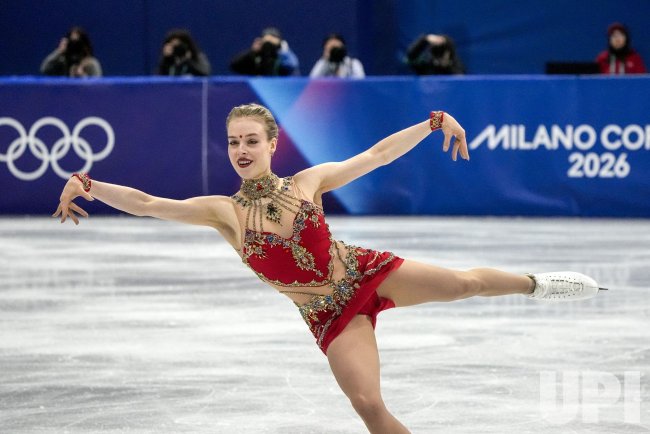
MILAN, Italy — The lights are blinding, the ice is fresh, and the tension in the Mediolanum Forum is thick enough to cut with a skate blade. As the 2026 Winter Olympics reach their fever pitch, all eyes are on the Women’s Singles Free Skating final—a night that promises to be one of the most dramatic in the history of the sport.
With a mere 2.12 points separating the top three skaters after the short program, the podium is anyone’s guess. Here is everything you need to know about the battle for Olympic immortality.
1. The Razor-Thin Leaderboard
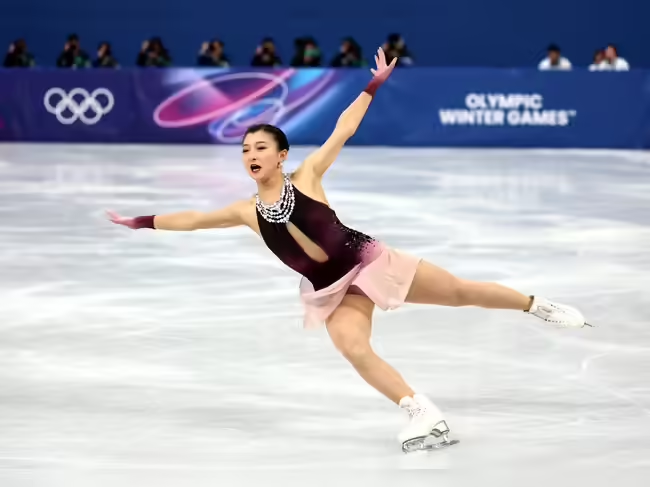
In what analysts are calling the closest Olympic final in decades, Japan’s Ami Nakai holds a precarious lead. However, with reigning world icon Kaori Sakamoto and American star Alysa Liu within striking distance, a single tripped landing or a shaky edge could completely reshuffle the standings.
2. The Technical Edge: Nakai’s Triple Axel
At just 17, Ami Nakai is the woman to beat. Her secret weapon? The Triple Axel. As one of the few skaters in the world capable of landing this high-value jump, Nakai used it to catapult into first place during the short program. If she nails it again in the free skate, the gold is likely hers to lose.
3. Artistry vs. Athletics: The Sakamoto Factor
While Kaori Sakamoto doesn’t bring a Triple Axel to the ice, she brings something just as lethal: speed and soul. Sakamoto consistently earns world-class Program Component Scores (PCS). In the high-pressure Olympic arena, her elite flow and artistic maturity often outweigh the raw technical points of her younger rivals.
4. Ending the American Drought
The weight of a nation sits on the shoulders of Alysa Liu. Currently in third place, the reigning World Champion is looking to end a 20-year Olympic medal drought for the United States in women’s singles. Her performance tonight isn’t just about a personal best; it’s about restoring American figure skating to its former glory.
5. The “Spoiler” in the Wings
Don’t count out Adeliia Petrosian. Competing as an Individual Neutral Athlete, the Russian champion possesses a technical arsenal that could easily disrupt the podium. If the leaders blink, Petrosian has the difficulty level to leapfrog onto the medal stand.
The New Rules of the Game
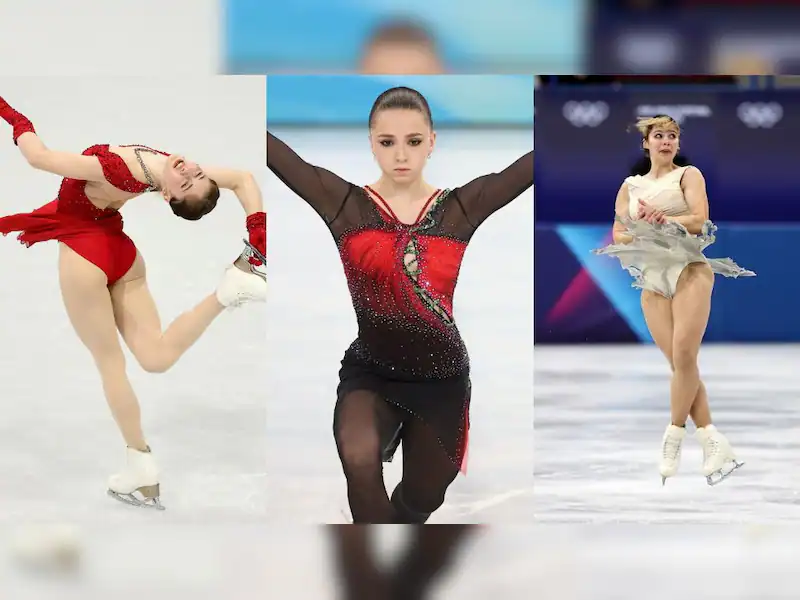
The 2026 Games mark a new era for figure skating. With the minimum age now raised to 17, the sport is navigating a delicate balance between the “quad-jumping” technical revolution and athlete welfare.
Keep an eye on the clock: Skaters receive a 10% base value bonus for jumps performed in the second half of their program. This “back-loading” strategy is a high-risk, high-reward move that could decide the final rankings in the closing seconds of the night.
The Bottom Line: In Milan, clean execution matters more than raw difficulty. Under-rotations or a single fall can erase years of preparation. As the final flight takes the ice, it won’t just be about who jumps the highest—it will be about who can handle the crushing weight of Olympic pressure.